





.png?width=1536&height=1024&name=succurri_image_home_4(1).png)
Ransomware is Getting Smarter
In 2017, Ransomware variants like WannaCry, NotPetya and Bad Rabbit wreaked havoc on businesses. Ransomware-like tactics called CryptoJacking. Read...
1 min read
There has been a recent trend in the style of office management to give employees more influence over their environment, providing them with extra comforts to encourage productivity. However, persistent technology shortcomings have continued to undermine these efforts. In response, the concept of the smart office has developed.

The smart office takes the fundamental motivation behind improving the employee’s workspace experience and applies it to their technology. In short, with the help of technology, an employee can be more satisfied with their workplace, and thereby be more productive. Between cloud computing, the rise in mobile technologies, Big Data, and the Internet of Things, it is no wonder that smart offices enable improved productivity among workers – and that’s before we’ve gotten into the nitty-gritty as to how these technologies are utilized.
In a way, the word ‘smart’ in ‘smart office’ holds two different, but interconnected, meanings. Not only are these offices equipped with smart technologies like the ones detailed above, but they are also primed to enable employees to work smarter.
Naturally, if we’re going to recommend something, we have some good reasons to do so. There are some very real benefits to embracing the concept of a smart office.
Using this kind of technology, workplaces can be made more comfortable for those who spend their time working there, as well as more effective in accomplishing the organization’s goals. For assistance with the technology you are currently leveraging and potential improvements that can be made to it, reach out to Succurri at (206) 340-1616.
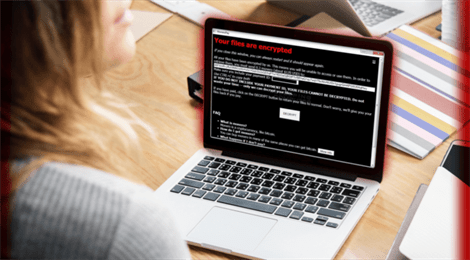
In 2017, Ransomware variants like WannaCry, NotPetya and Bad Rabbit wreaked havoc on businesses. Ransomware-like tactics called CryptoJacking. Read...

Choosing one of the very best phones to buy isn't easy, with so many great handsets in the market. Check out these Top 5 smartphones.
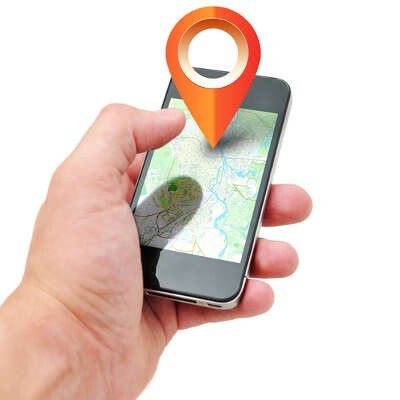
You start slapping your pockets, already knowing what you’re about to confirm–your mobile device is missing.